
Custom Radiators From Samples
An old radiator can provide useful geometry, but wear or repairs may have changed it. Separate what must be retained from damage and modifications that should not be copied.
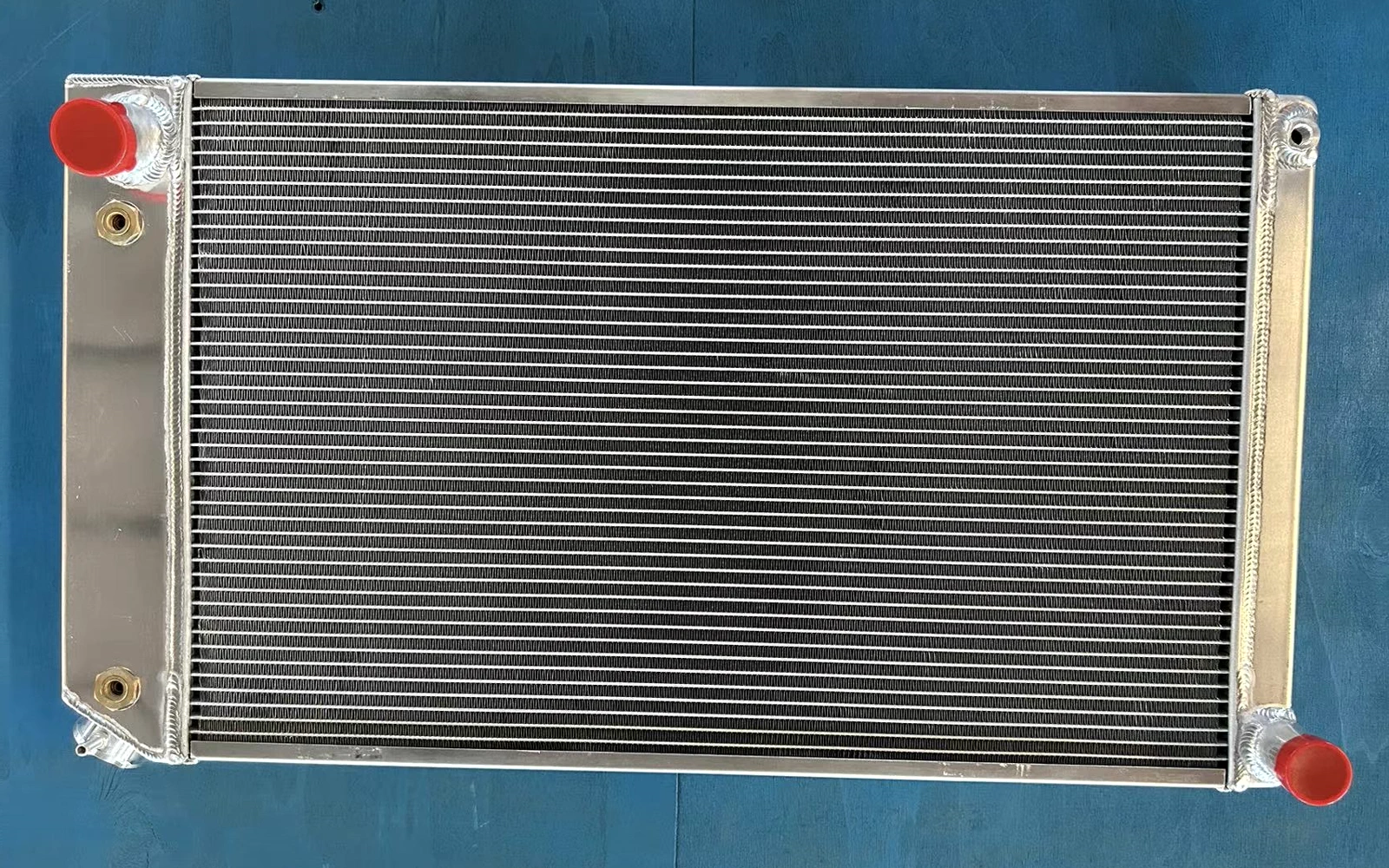
Record the condition before measuring
Tell us whether the unit is damaged, deformed, repaired or missing attachments. Photograph all sides and mark areas that may no longer represent the intended shape.
- Cap and ports
- Show the cap neck, inlet, outlet and any drain or auxiliary connections in close-up, including their orientation.
- Brackets and attachments
- Record bracket holes, mounting faces, shroud fixings and detached pieces; identify anything added during a previous repair.
- Physical sample handling
- Agree shipment, receipt, permitted examination and return or retention arrangements before sending the unit.
Build a measured reference
Choose a common measurement datum and mark it in the photos or sketch. Distinguish measured values from estimates and dimensions affected by distortion.
- Vehicle clearance
- Provide installation views and measured clearance around the fan, shroud, hoses, bodywork and nearby components.
- Intended corrections
- List offsets or damaged features that need correction and provide another reference where the original position is uncertain.
Approve the interpretation, not just the resemblance
Agree a dimension record and sample acceptance plan before proceeding. The buyer must confirm vehicle interfaces; visual similarity does not validate fit or cooling performance.
- Approval reference
- Identify the accepted drawing or sample revision and record departures from the supplied unit for future orders.