
Custom Radiators From Drawings
Use your drawing to define the radiator you intend to buy. Distinguish fixed interfaces from details open to proposal so quotations refer to the same requirement.
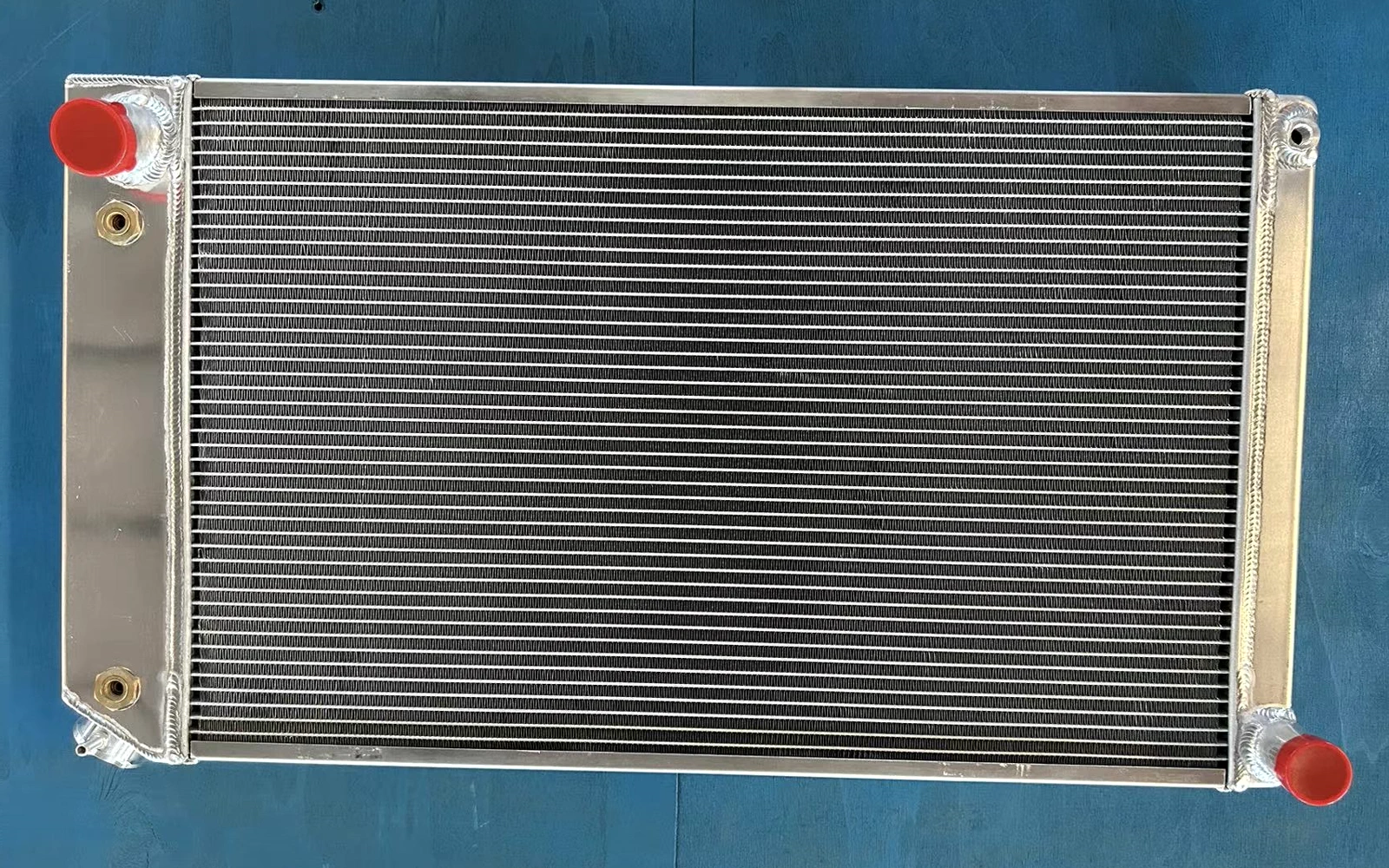
Identify the controlling drawing
Include the part number, revision and units. If a model, drawing and marked-up sketch differ, state which controls the requirement.
- Datums and interfaces
- Use a defined datum for overall dimensions, port centres, bracket holes, cap location and mounting faces.
- Critical tolerances
- Distinguish fit-critical tolerances from nominal dimensions and indicate how the critical features will be measured.
- Missing specifications
- Identify unspecified material, core construction, connections or attachments as open items, not as permission to substitute.
Resolve changes before approval
The submitted geometry is a review input, not confirmation of a manufacturable scope. Any proposed adjustment needs to be visible in the quotation or approval record.
- Deviation list
- Record each proposed change, its reason and the drawing revision affected; keep unresolved items separate from accepted details.
- Sample decision
- Agree which dimensions and vehicle interfaces the sample will verify, and who gives the approval to proceed.
- Performance requirements
- Specify operating requirements and a separate validation plan; drawing compliance alone is not a cooling-performance result.